IScientists at the Children’s Medical Research Institute (CMRI) have uncovered a major breakthrough in cancer research: the reason why cells die in different ways after radiotherapy. This unexpected discovery could lead to more effective treatments and higher cure rates for cancer patients.
The study was published in Nature Cell Biology by Dr. Radoslaw Szmyd, the first author and a member of CMRI’s Genome Integrity Unit, led by Professor Tony Cesare.
Radiation therapy (also called radiotherapy) is a critically important type of cancer treatment. Scientists have struggled for decades to understand why radiation therapy kills cells from the same tumor in different ways. This is important because some forms of cell death are unnoticed by the immune system, while others trigger an immune response that kills other cancer cells. Unleashing the patient’s immune system to kill cancer cells and clear tumors is a major goal of cancer treatment.
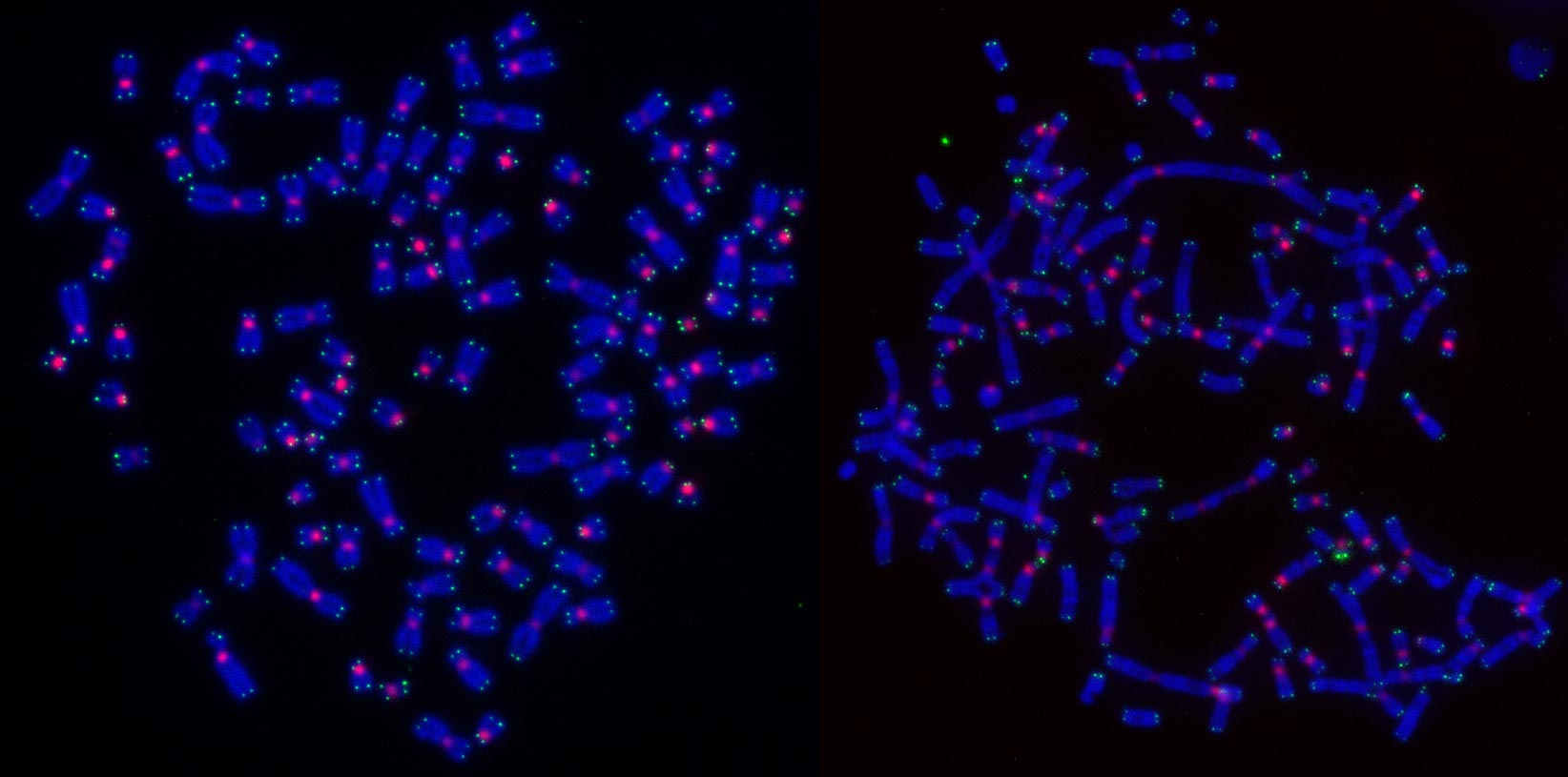
“The surprising result of our research is that DNA repair, which normally protects healthy cells, determines how cancer cells die following radiotherapy,” said Prof Cesare. “The DNA inside our cells is constantly experiencing damage, and DNA repair is happening all the time to fix that damage and keep our cells healthy. Now, however, it seems these repair processes can recognize when overwhelming damage has occurred (e.g., from radiotherapy), and instruct a cancer cell how to die.”
The Role of DNA Repair Pathways in Cell Death
He continues, “When DNA damaged by radiation therapy was repaired by a method called homologous recombination cancer cells died during the process of reproducing – a process called cell division or mitosis. Critically, death during cell division goes unnoticed by the immune system, so it won’t activate an immune response. This is not what we want.
“However, cells that dealt with the radiation-damaged DNA through other DNA repair methods survived the cell division process but did so by releasing byproducts of DNA repair into the cell. To the cell, these repair byproducts look like a viral or bacterial infection. This causes the cancer cell to die in a manner that alerts the immune system. Which is what we do want.”